
The Psychology of Selling by Brian Tracy Summary
Transform your sales game with Brian Tracy's "Psychology of Selling" - the industry bible that's shaped modern sales training worldwide. Discover the "winning edge concept" that elite performers use to outperform competitors by just 20% while earning 80% more.
About the author
Brian Tracy, bestselling author of The Psychology of Selling and a globally recognized authority in sales psychology and personal development, has shaped the careers of millions through his practical, action-driven insights. A Canadian-American motivational speaker and self-development expert, Tracy’s work focuses on empowering individuals and businesses to maximize productivity, refine sales strategies, and achieve peak performance.
His expertise stems from decades of real-world experience, beginning as a top-performing salesman before founding Brian Tracy International in 1984, where he coaches Fortune 500 companies and entrepreneurs.
Tracy’s prolific catalog includes over 80 books, such as the iconic time-management guide Eat That Frog! and the discipline-focused No Excuses!, both translated into dozens of languages. A dynamic speaker, he has delivered keynote addresses in 75+ countries and hosts training programs on leadership, goal-setting, and persuasive communication.
His pragmatic frameworks, honed through years of global consulting, blend behavioral psychology with actionable tactics, making his work a staple in professional development. The Psychology of Selling has cemented its status as a sales classic, with methodologies adopted by organizations worldwide and editions published in over 30 languages.
FAQs About This Book
The Psychology of Selling by Brian Tracy is a guide to mastering sales through mindset shifts and practical strategies. It emphasizes seven key result areas (KRAs) like prospecting, rapport-building, and closing, while highlighting the role of self-concept in sales success. Tracy argues that small improvements in these areas compound into significant income growth, blending actionable techniques with psychological principles.
This book is ideal for sales professionals, entrepreneurs, and anyone seeking to improve persuasion skills. It’s particularly valuable for those aiming to break into the top 20% of earners by refining their approach to customer needs, objections, and referrals. Tracy’s insights also benefit managers training teams to adopt proven sales methodologies.
Yes, The Psychology of Selling is a must-read for its actionable frameworks, such as the “winning edge concept” and self-concept resetting. Readers praise its focus on incremental skill-building and psychological tactics, which Tracy himself used to transform from a struggling salesperson to a top performer.
Tracy’s seven KRAs form the backbone of effective selling:
- Prospecting
- Building rapport
- Identifying needs
- Presenting solutions
- Answering objections
- Closing the sale
- Securing resales/referrals
Mastering these areas, even marginally, boosts overall sales performance significantly.
Tracy asserts that self-concept—how you view your abilities—directly impacts sales outcomes. A positive self-concept in areas like prospecting reduces fear and increases consistency, while a negative self-image creates self-sabotage. He advises resetting your “financial thermostat” to align beliefs with higher earning potential.
The book stresses that customers buy based on emotions, then justify with logic. Tracy recommends leveraging storytelling to evoke feelings like security or status, and using mirroring techniques to build subconscious trust. This aligns with broader principles of emotional influence in sales.
Tracy applies the 80/20 rule to highlight that 20% of salespeople generate 80% of revenue. He urges readers to join this elite group by focusing on high-impact activities like prioritizing qualified leads and refining closing tactics rather than spreading effort thinly.
Tracy advocates creating urgency through limited-time offers or exclusive deals, tapping into customers’ fear of missing out (FOMO). This principle accelerates decision-making, as seen in tactics like deadlines for proposals or highlighting low stock.
While both books explore persuasion, Tracy’s work is more sales-process-focused, whereas Cialdini’s Influence delves into broader psychological principles like reciprocity and social proof. Tracy’s strategies are immediately actionable for sales teams, while Cialdini provides foundational behavioral science.
Yes—its lessons on empathy, active listening, and overcoming objections apply to negotiations, leadership, and customer service. Entrepreneurs also benefit from Tracy’s frameworks for pitching ideas and building stakeholder rapport.
Some reviewers argue the book oversimplifies complex buyer psychology and lacks modern digital sales tactics. However, its core principles on mindset and KRAs remain widely applicable, particularly for in-person or relationship-driven sales.
Adapt Tracy’s KRAs by using chatbots for prospecting, video calls to build rapport, and scarcity tactics like countdown timers on e-commerce pages. Pair his objection-handling techniques with AI-driven analytics to preempt customer concerns.
Quick Summary Mode - Read or listen to The Psychology of Selling Summary in 9 Minutes

Break down key ideas from The Psychology of Selling into bite-sized takeaways to understand how innovative teams create, collaborate, and grow.

Flash Card Mode - Top 8 Insights from The Psychology of Selling in a Nutshell

Distill The Psychology of Selling into rapid-fire memory cues that highlight Pixar’s principles of candor, teamwork, and creative resilience.
Fun Mode - The Psychology of Selling Lessons Told Through 19-Min Stories

Experience The Psychology of Selling through vivid storytelling that turns Pixar’s innovation lessons into moments you’ll remember and apply.
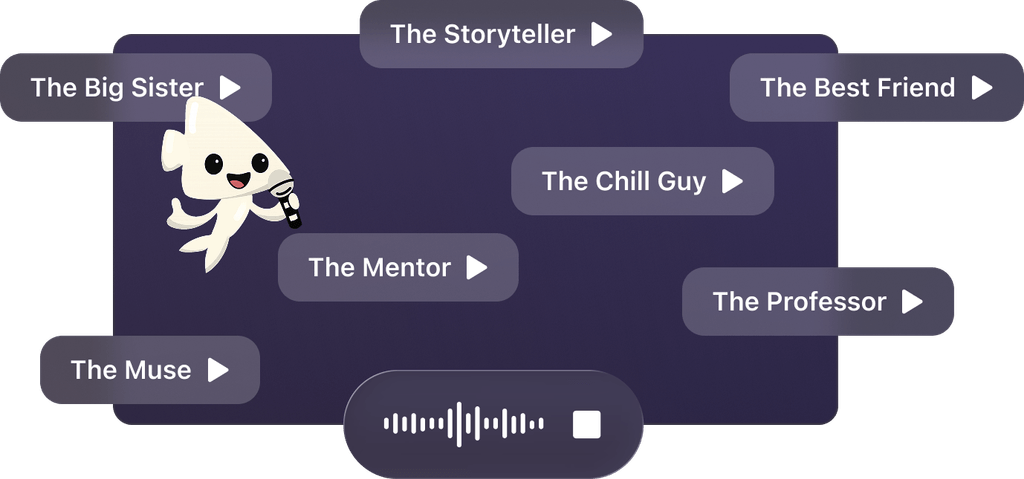
Personalize Mode - Read or listen to The Psychology of Selling Summary in 0 Minutes

Ask anything, pick the voice, and co-create insights that truly resonate with you.
From Columbia University alumni built in San Francisco
"Instead of endless scrolling, I just hit play on BeFreed. It saves me so much time."


"I never knew where to start with nonfiction—BeFreed’s book lists turned into podcasts gave me a clear path."

 12
12 117
117"Perfect balance between learning and entertainment. Finished ‘Thinking, Fast and Slow’ on my commute this week."
"Crazy how much I learned while walking the dog. BeFreed = small habits → big gains."
12108"Reading used to feel like a chore. Now it’s just part of my lifestyle."
 25417
25417"Feels effortless compared to reading. I’ve finished 6 books this month already."
"BeFreed turned my guilty doomscrolling into something that feels productive and inspiring."
 964.5K
"BeFreed turned my commute into learning time. 20-min podcasts are perfect for finishing books I never had time for."
"BeFreed replaced my podcast queue. Imagine Spotify for books — that’s it. 🙌"
201 16
16"It is great for me to learn something from the book without reading it."
"The themed book list podcasts help me connect ideas across authors—like a guided audio journey."
37483"Makes me feel smarter every time before going to work"
"Instead of endless scrolling, I just hit play on BeFreed. It saves me so much time."
"I never knew where to start with nonfiction—BeFreed’s book lists turned into podcasts gave me a clear path."
12117"Perfect balance between learning and entertainment. Finished ‘Thinking, Fast and Slow’ on my commute this week."
"Crazy how much I learned while walking the dog. BeFreed = small habits → big gains."
12108"Reading used to feel like a chore. Now it’s just part of my lifestyle."
25417"Feels effortless compared to reading. I’ve finished 6 books this month already."
"BeFreed turned my guilty doomscrolling into something that feels productive and inspiring."
964.5K"BeFreed turned my commute into learning time. 20-min podcasts are perfect for finishing books I never had time for."
"BeFreed replaced my podcast queue. Imagine Spotify for books — that’s it. 🙌"
20116"It is great for me to learn something from the book without reading it."
"The themed book list podcasts help me connect ideas across authors—like a guided audio journey."
37483"Makes me feel smarter every time before going to work"
"Instead of endless scrolling, I just hit play on BeFreed. It saves me so much time."
"I never knew where to start with nonfiction—BeFreed’s book lists turned into podcasts gave me a clear path."
12117"Perfect balance between learning and entertainment. Finished ‘Thinking, Fast and Slow’ on my commute this week."
"Crazy how much I learned while walking the dog. BeFreed = small habits → big gains."
12108"Reading used to feel like a chore. Now it’s just part of my lifestyle."
25417"Feels effortless compared to reading. I’ve finished 6 books this month already."
"BeFreed turned my guilty doomscrolling into something that feels productive and inspiring."
964.5K"BeFreed turned my commute into learning time. 20-min podcasts are perfect for finishing books I never had time for."
"BeFreed replaced my podcast queue. Imagine Spotify for books — that’s it. 🙌"
20116"It is great for me to learn something from the book without reading it."
"The themed book list podcasts help me connect ideas across authors—like a guided audio journey."
37483"Makes me feel smarter every time before going to work"
See More Stories?

Get the The Psychology of Selling summary as a free PDF or EPUB. Print it or read offline anytime.


