
Les Miserables by Victor Hugo Summary
Victor Hugo's epic tale of redemption and justice captivated 1862 Paris, selling out within days. The $2.2 million manuscript spawned a musical phenomenon, inspired Hugh Jackman's Oscar-nominated performance, and remains literature's most powerful cry for social reform.
About the author
Victor-Marie Hugo (1802–1885), the seminal French Romantic author and influential political thinker, is best known for his epic novel Les Misérables, a cornerstone of 19th-century literature. A peer of France and elected deputy, Hugo wove his advocacy for social justice, moral redemption, and republican ideals into his works, driven by his opposition to authoritarianism—a stance that forced him into exile for nearly two decades. His masterpieces, including The Hunchback of Notre-Dame and the play Hernani, cemented his legacy as a visionary critic of societal inequality and a champion of human dignity.
Hugo’s profound impact on literature and politics endures through Les Misérables, which has sold millions of copies, been translated into over 100 languages, and adapted into countless films, plays, and musicals. His funeral in 1885 drew over three million mourners, a testament to his status as a national icon. Buried in the Panthéon among France’s greatest figures, Hugo remains a defining voice of compassion and resistance.
FAQs About This Book
Les Misérables follows ex-convict Jean Valjean’s journey toward redemption amid 19th-century France’s social inequalities. After breaking parole, Valjean rebuilds his life while evading Inspector Javert, who embodies rigid justice. Interwoven subplots explore love, sacrifice, and revolution, culminating in the 1832 June Rebellion. The novel critiques systemic poverty and advocates for compassion over punishment.
This epic is ideal for readers of historical fiction, social justice advocates, and fans of character-driven narratives. Its themes of morality, sacrifice, and resilience resonate with those interested in humanist philosophy or French history. Note: The novel’s dense prose and lengthy digressions may challenge casual readers.
Yes—it’s a cornerstone of Western literature that combines gripping drama with profound social commentary. While its 1,400+ pages demand patience, Hugo’s exploration of grace, revolution, and human dignity remains culturally influential. The story has inspired numerous adaptations, underscoring its timeless relevance.
Hugo argues that empathy and mercy, not punitive justice, drive societal progress. Valjean’s transformation from convict to benefactor contrasts with Javert’s rigid adherence to law, illustrating how compassion can redeem individuals and communities. The novel also highlights systemic oppression faced by the poor.
Set during the Bourbon Restoration and July Monarchy, the book critiques post-Napoleonic inequality. Hugo juxtaposes Valjean’s struggles with events like the 1832 June Rebellion, showcasing urban poverty and failed revolutionary ideals. Historical details, like the Battle of Waterloo’s aftermath, ground the narrative in real political turmoil.
- Jean Valjean: A redeemed ex-convict seeking moral integrity.
- Javert: A law-obsessed inspector who struggles with Valjean’s mercy.
- Fantine: A factory worker driven to desperation by poverty.
- Cosette: Valjean’s adopted daughter, representing hope.
- Marius: A revolutionary student who marries Cosette.
The rebellion serves as the climax, uniting characters like Marius and street urchin Gavroche. Though the insurgents fail, their fight symbolizes resistance against oppression. Valjean’s rescue of Marius during the uprising reinforces themes of sacrifice and intergenerational solidarity.
Hugo exposes systemic failures through characters like Fantine, who loses her job and turns to prostitution, and the Thénardiers, who exploit others for survival. The novel condemns a society that punishes poverty while ignoring its root causes.
Valjean’s theft of bread to feed his sister’s children underscores the desperation wrought by poverty. This act—which leads to 19 years in prison—frames Hugo’s critique of harsh penal systems that criminalize survival.
Javert begins as Valjean’s merciless pursuer but spirals into existential crisis after Valjean spares his life. His suicide reflects the collapse of his black-and-white worldview, symbolizing the limitations of uncompromising authority.
Its themes—income inequality, restorative justice, and grassroots activism—mirror modern debates. Hugo’s call for systemic empathy resonates in discussions about criminal justice reform and social safety nets.
Some modern readers find Hugo’s digressions (e.g., 50+ pages on the Battle of Waterloo) disruptive. Others argue the female characters lack agency compared to male protagonists. Despite this, its emotional depth and moral urgency remain widely praised.
Quick Summary Mode - Read or listen to Les Miserables Summary in 10 Minutes

Break down key ideas from Les Miserables into bite-sized takeaways to understand how innovative teams create, collaborate, and grow.

Flash Card Mode - Top 9 Insights from Les Miserables in a Nutshell

Distill Les Miserables into rapid-fire memory cues that highlight Pixar’s principles of candor, teamwork, and creative resilience.

Fun Mode - Les Miserables Lessons Told Through 24-Min Stories

Experience Les Miserables through vivid storytelling that turns Pixar’s innovation lessons into moments you’ll remember and apply.
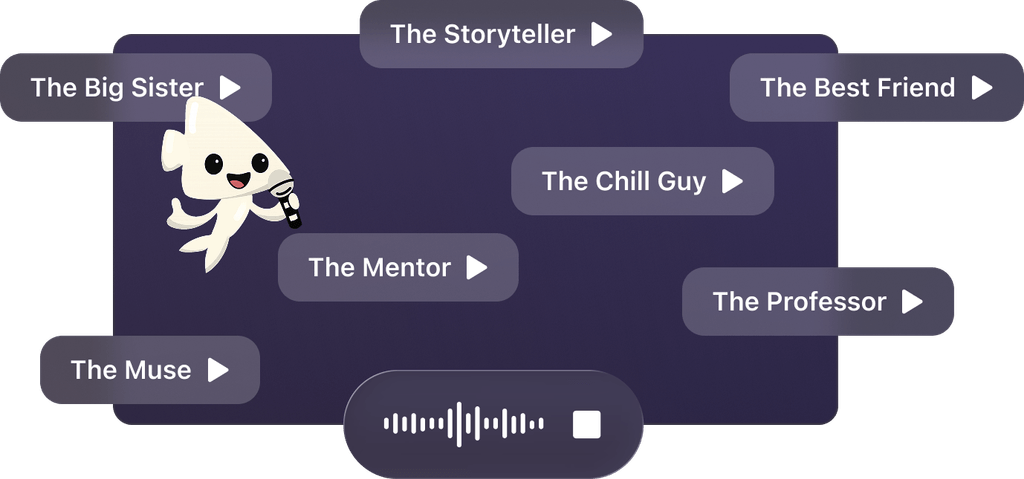
Personalize Mode - Read or listen to Les Miserables Summary in 0 Minutes

Ask anything, pick the voice, and co-create insights that truly resonate with you.
From Columbia University alumni built in San Francisco
"Instead of endless scrolling, I just hit play on BeFreed. It saves me so much time."


"I never knew where to start with nonfiction—BeFreed’s book lists turned into podcasts gave me a clear path."

 12
12 117
117"Perfect balance between learning and entertainment. Finished ‘Thinking, Fast and Slow’ on my commute this week."
"Crazy how much I learned while walking the dog. BeFreed = small habits → big gains."
12108"Reading used to feel like a chore. Now it’s just part of my lifestyle."
 25417
25417"Feels effortless compared to reading. I’ve finished 6 books this month already."
"BeFreed turned my guilty doomscrolling into something that feels productive and inspiring."
 964.5K
"BeFreed turned my commute into learning time. 20-min podcasts are perfect for finishing books I never had time for."
"BeFreed replaced my podcast queue. Imagine Spotify for books — that’s it. 🙌"
201 16
16"It is great for me to learn something from the book without reading it."
"The themed book list podcasts help me connect ideas across authors—like a guided audio journey."
37483"Makes me feel smarter every time before going to work"
"Instead of endless scrolling, I just hit play on BeFreed. It saves me so much time."
"I never knew where to start with nonfiction—BeFreed’s book lists turned into podcasts gave me a clear path."
12117"Perfect balance between learning and entertainment. Finished ‘Thinking, Fast and Slow’ on my commute this week."
"Crazy how much I learned while walking the dog. BeFreed = small habits → big gains."
12108"Reading used to feel like a chore. Now it’s just part of my lifestyle."
25417"Feels effortless compared to reading. I’ve finished 6 books this month already."
"BeFreed turned my guilty doomscrolling into something that feels productive and inspiring."
964.5K"BeFreed turned my commute into learning time. 20-min podcasts are perfect for finishing books I never had time for."
"BeFreed replaced my podcast queue. Imagine Spotify for books — that’s it. 🙌"
20116"It is great for me to learn something from the book without reading it."
"The themed book list podcasts help me connect ideas across authors—like a guided audio journey."
37483"Makes me feel smarter every time before going to work"
"Instead of endless scrolling, I just hit play on BeFreed. It saves me so much time."
"I never knew where to start with nonfiction—BeFreed’s book lists turned into podcasts gave me a clear path."
12117"Perfect balance between learning and entertainment. Finished ‘Thinking, Fast and Slow’ on my commute this week."
"Crazy how much I learned while walking the dog. BeFreed = small habits → big gains."
12108"Reading used to feel like a chore. Now it’s just part of my lifestyle."
25417"Feels effortless compared to reading. I’ve finished 6 books this month already."
"BeFreed turned my guilty doomscrolling into something that feels productive and inspiring."
964.5K"BeFreed turned my commute into learning time. 20-min podcasts are perfect for finishing books I never had time for."
"BeFreed replaced my podcast queue. Imagine Spotify for books — that’s it. 🙌"
20116"It is great for me to learn something from the book without reading it."
"The themed book list podcasts help me connect ideas across authors—like a guided audio journey."
37483"Makes me feel smarter every time before going to work"
See More Stories?

Get the Les Miserables summary as a free PDF or EPUB. Print it or read offline anytime.


