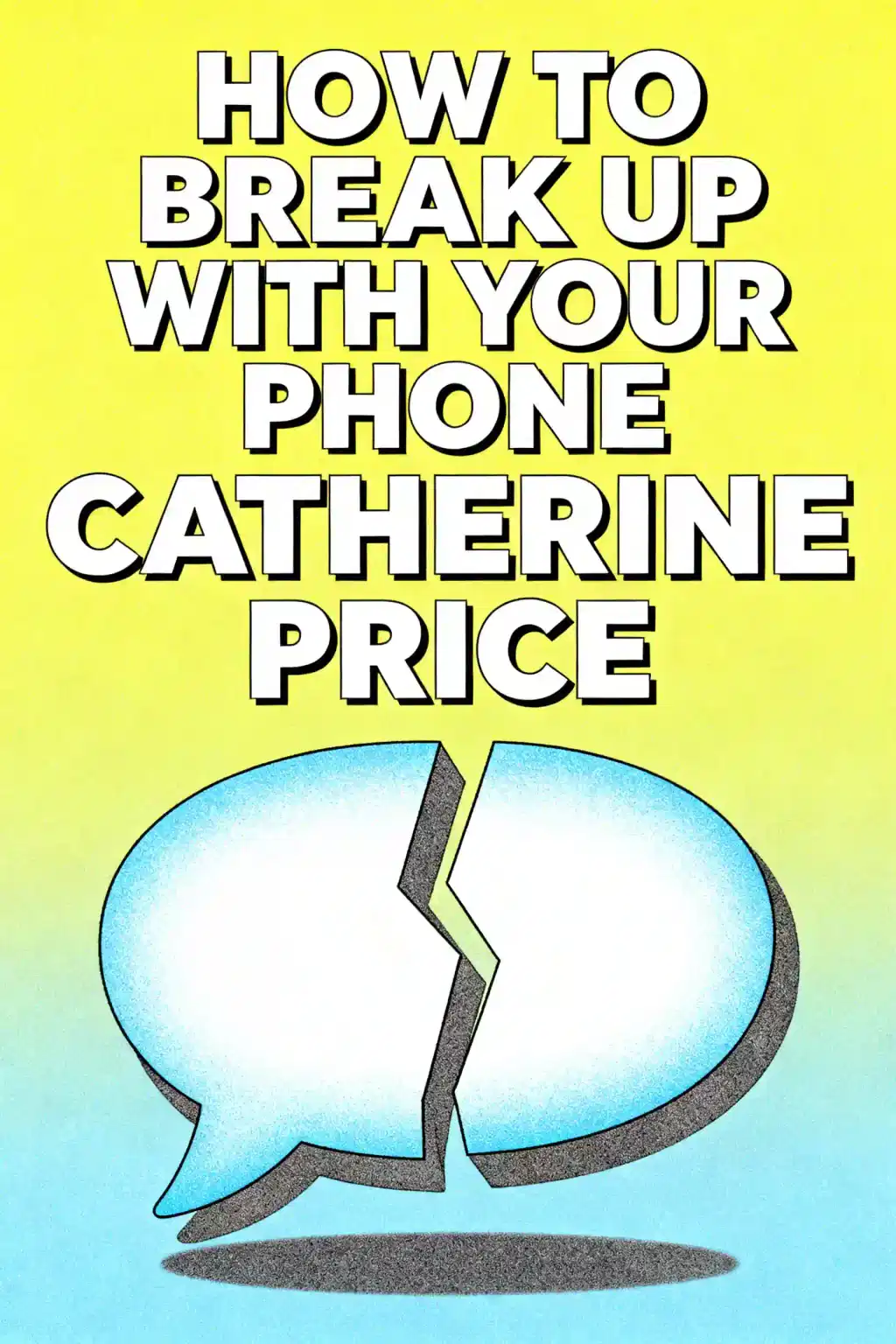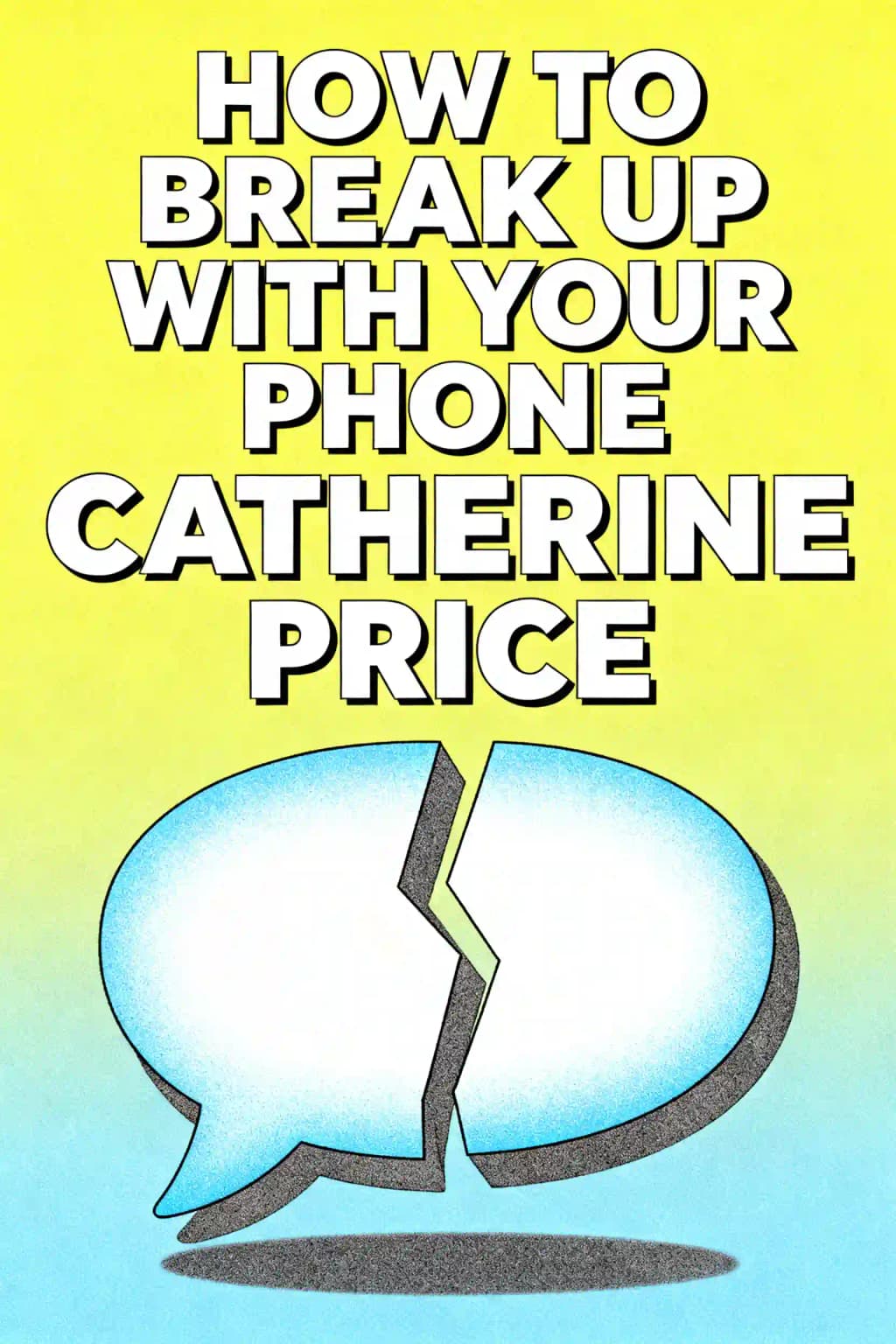
Reclaim your attention in a world designed to hijack it. "How to Break Up with Your Phone" offers a 30-day detox plan endorsed by Jonathan Haidt as "the best such book" for our device-obsessed era. What memories are you missing while scrolling?
Catherine Price, science journalist and bestselling author of How to Break Up with Your Phone: The 30-Day Plan to Take Back Your Life, is a leading voice in digital wellness and mindfulness. A graduate of Princeton and Columbia Universities, Price merges her expertise in health and technology to address modern challenges of screen addiction, drawing from her own transformative experience as a parent reevaluating her relationship with devices.
Her work has been featured in The New York Times, NPR, and Time Magazine, and she regularly speaks at TED, SXSW, and corporate events about fostering healthier tech habits.
Price’s Substack newsletter, How to Feel Alive, extends her mission to help readers reclaim creativity and joy beyond screens. She is also the author of The Power of Fun: How to Feel Alive Again, which expands her exploration of intentional living. How to Break Up with Your Phone has been translated into 30 languages and endorsed by global media outlets, cementing its status as a practical guide for achieving screen-life balance in the digital age.
How to Break Up With Your Phone offers a 30-day plan to reduce smartphone dependency by combining scientific research with actionable strategies. It addresses how app design exploits psychological triggers, explores the mental health impacts of overuse, and provides steps to reclaim focus and intentionality. The revised edition includes a digital detox guide and advice for managing kids’ screen time.
This book is ideal for anyone feeling overwhelmed by compulsive scrolling, parents concerned about modeling healthy tech habits, or professionals seeking productivity fixes. It’s particularly relevant for readers interested in mindfulness, behavioral science, or creating sustainable screen-life balance.
Yes—the book is praised for its evidence-based approach, relatable anecdotes, and pragmatic solutions. Unlike generic detox guides, it merges neuroscience with step-by-step exercises, making it a standout resource for long-term behavior change. Readers call it “optimistic yet realistic” for balancing tech use without total abandonment.
Key ideas include recognizing how app design hijacks attention, rebuilding awareness of unconscious scrolling, and establishing “tech boundaries.” Price emphasizes treating phone habits like a relationship—requiring conscious effort to repair—and highlights improved sleep, creativity, and human connection as detox benefits.
The plan starts with a 7-day “trial separation” (e.g., deleting social media, turning off notifications), followed by gradual reintroduction of tools with intentional limits. Daily exercises include tech-free mornings, designated scroll times, and environmental tweaks like charging phones outside bedrooms.
Price’s “aha moment” came while nursing her infant daughter at night, realizing her phone use modeled unhealthy relationships. As a science journalist and mindfulness practitioner, she combined personal experience with research on attention economics and behavioral addiction.
The 2025 revised edition adds strategies for parenting in the digital age, like setting “family phone rules” and modeling mindful usage. Price argues parents must first fix their own habits to credibly guide children.
This mantra encapsulates the book’s goal: replacing mindless scrolling with activities that spark joy, creativity, or connection. Examples include substituting social media with hobbies, in-person conversations, or tech-free outdoor time.
Some readers find early steps too restrictive (e.g., deleting apps cold turkey) or question the feasibility for certain jobs. However, Price encourages adapting the plan—like scheduling email checks—to maintain practicality.
Unlike one-size-fits-all approaches, Price’s method focuses on long-term behavior change over abstinence. It’s often likened to Marie Kondo’s decluttering philosophy but for digital habits, emphasizing intentionality over elimination.
Yes—reducing screen time correlates with better sleep, reduced anxiety, and enhanced focus, as outlined in studies cited by Price. Users report feeling more present in relationships and less burdened by “digital fatigue”.
Price argues fun is essential for well-being and that phones often distract from genuine joy. Her follow-up book, The Power of Fun, expands on this idea, urging readers to prioritize “active fun” (e.g., hobbies) over passive scrolling.
Break down key ideas from How to Break Up with Your Phone into bite-sized takeaways to understand how innovative teams create, collaborate, and grow.
Distill How to Break Up with Your Phone into rapid-fire memory cues that highlight Pixar’s principles of candor, teamwork, and creative resilience.

Experience How to Break Up with Your Phone through vivid storytelling that turns Pixar’s innovation lessons into moments you’ll remember and apply.
Ask anything, pick the voice, and co-create insights that truly resonate with you.

From Columbia University alumni built in San Francisco

Get the How to Break Up with Your Phone summary as a free PDF or EPUB. Print it or read offline anytime.
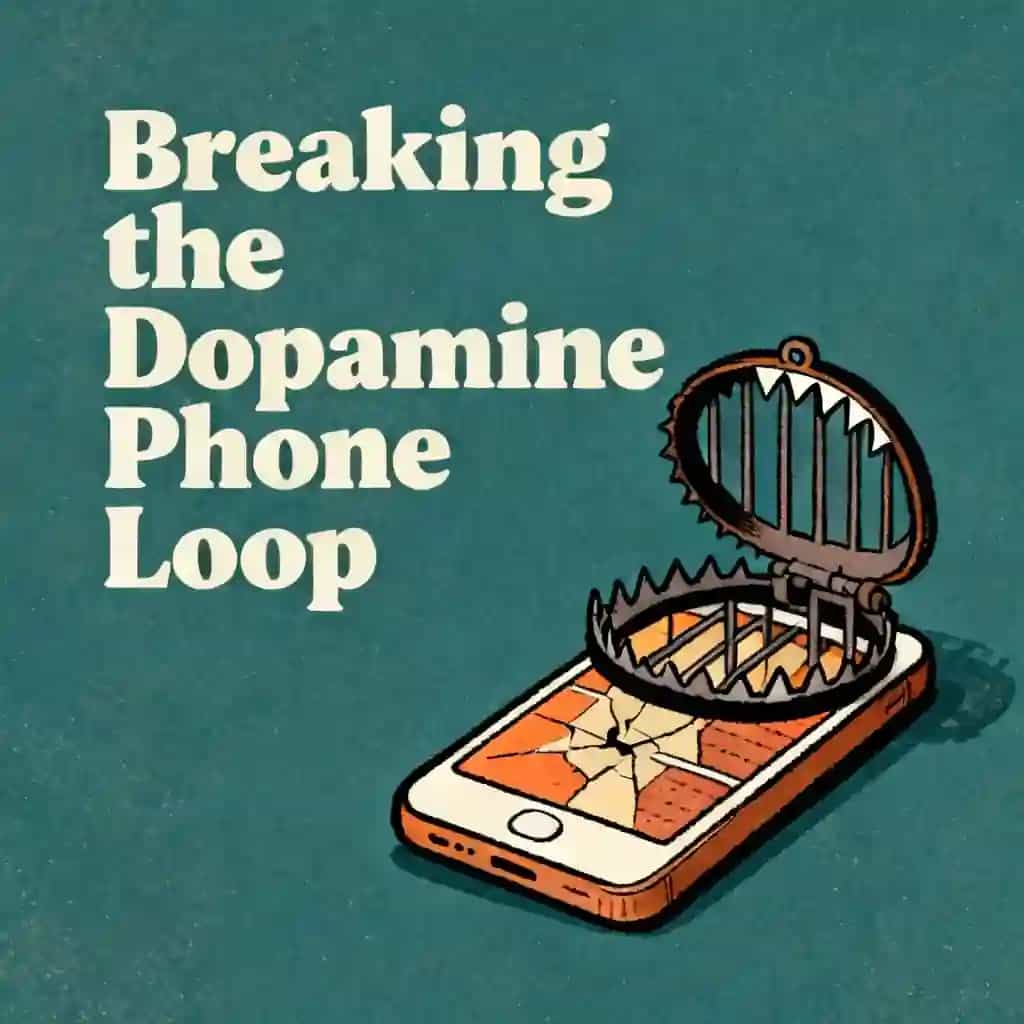
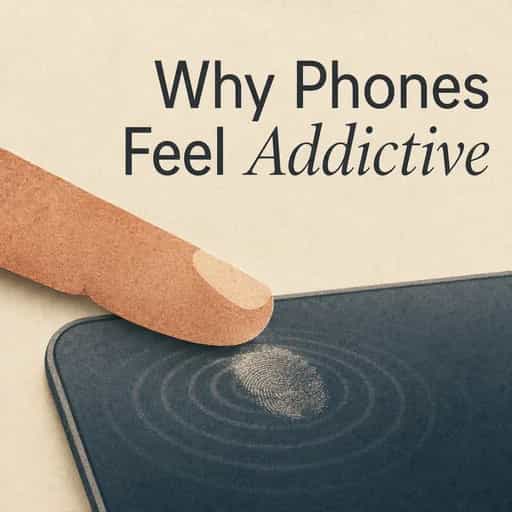
Check your phone recently? Of course you have-probably within the last few minutes. We've normalized a behavior that would have seemed bizarre a decade ago: compulsively checking a glowing rectangle dozens, even hundreds, of times daily. We interrupt real conversations to glance at screens. We sleep with phones beside our pillows. We feel phantom vibrations that aren't there. Something has gone profoundly wrong, yet we barely notice because everyone around us is doing the same thing. The relationship you have with your phone resembles a toxic romance more than a functional tool. It promises connection but delivers isolation. It offers information but fragments your attention. It provides entertainment but steals your capacity for deep joy. And like any unhealthy relationship, recognizing the problem is just the beginning-you need a concrete plan to break free.