
Having Nothing, Possessing Everything by Michael Mather Summary
Discover how a pastor transformed poverty-stricken neighborhoods by seeing abundance where others saw scarcity. With a 4.57 Goodreads rating, Mather's revolutionary asset-based approach challenges traditional charity models. What hidden wealth exists in your own community, waiting to be unlocked?
About the author
Michael Mather, author of Having Nothing, Possessing Everything, is a pastor, community development strategist, and advocate for strength-based approaches to urban ministry.
With over 35 years of experience leading United Methodist congregations, including his current role at First United Methodist Church of Boulder, Mather’s work focuses on reimagining poverty through the lens of community assets rather than deficits. His book blends memoir and social critique, exploring how low-income neighborhoods thrive when their inherent gifts are recognized—a philosophy shaped by his faculty position at DePaul University’s Asset-Based Community Development Institute.
A sought-after speaker for religious and secular audiences alike, Mather’s insights have influenced nonprofit strategies and church outreach programs nationwide. His transformative ideas, grounded in three decades of grassroots ministry, challenge traditional charity models and offer practical frameworks for sustainable community empowerment.
Having Nothing, Possessing Everything has become a touchstone for organizations seeking to foster self-reliant, resilient neighborhoods.
FAQs About This Book
Having Nothing, Possessing Everything explores asset-based community development, challenging traditional charity models by focusing on the inherent strengths and talents within low-income neighborhoods. Pastor Michael Mather shares real-world examples from his ministry in Indianapolis, advocating for a shift from deficit-focused aid to recognizing abundance in marginalized communities. The book emphasizes storytelling as a tool for empowerment and systemic change.
This book is ideal for faith leaders, social workers, nonprofit professionals, and anyone involved in urban ministry or community organizing. It offers actionable insights for those seeking alternatives to top-down social service approaches, particularly readers interested in grassroots empowerment and redefining “poverty” through a strengths-based lens.
Yes, for its transformative perspective on community engagement. Critics praise its inspiring stories of resilience but note it focuses less on practical implementation challenges. A reviewer highlights its value for inner-city ministry practitioners seeking hopeful, faith-driven frameworks.
- Asset-Based Mindset: Communities thrive when leveraging existing gifts rather than fixating on needs.
- Narrative Shift: Replacing “charity” stories with tales of agency and capability.
- Relational Power: Prioritizing trust and collaboration over transactional aid.
- Faith in Action: Integrating theological principles with grassroots community work.
Mather argues poverty is often a narrative imposed by outsiders, not an inherent reality. He demonstrates how low-income neighborhoods possess untapped “spiritual and relational wealth,” using examples like youth-led initiatives and local skill-sharing networks to reframe scarcity as abundance.
Some reviewers note the book emphasizes success stories without deeply addressing systemic barriers like racism or funding inequities. Others desire more concrete tools for applying its philosophy beyond anecdotal evidence.
While both critique traditional aid models, Mather’s work focuses more on community-driven asset mapping, whereas Corbett emphasizes structural poverty analysis. Having Nothing offers more faith-based narrative examples, while When Helping Hurts provides broader socioeconomic frameworks.
“The gifts of the poor are not metaphors – they are real, tangible, and transformative.”
“We stopped asking ‘What’s wrong here?’ and began asking ‘What’s possible here?’”
These lines encapsulate the book’s core argument for capacity-focused ministry.
The book suggests tactics like:
- Creating “gift inventories” to map local skills
- Hosting community exchanges (e.g., cooking classes taught by residents)
- Partnering with schools to identify student talents
One case study describes a youth photography project that reduced neighborhood violence.
As cities grapple with post-pandemic inequality and donor fatigue, Mather’s approach offers cost-effective, sustainable strategies for community revitalization. Its emphasis on local leadership aligns with current trends in DEI (Diversity, Equity, and Inclusion) initiatives.
Mather’s work inspired programs at the DePaul University Asset-Based Community Development Institute and faith-based networks like the Christian Community Development Association. His church’s initiatives reduced youth violence through arts-based mentorship.
It frames asset-based development as a theological imperative, citing biblical parables about using “talents” (Matthew 25:14-30). Mather argues that recognizing inherent dignity in marginalized groups embodies Christian love more authentically than paternalistic aid.
Quick Summary Mode - Read or listen to Having Nothing, Possessing Everything Summary in 8 Minutes

Break down key ideas from Having Nothing, Possessing Everything into bite-sized takeaways to understand how innovative teams create, collaborate, and grow.

Flash Card Mode - Top 10 Insights from Having Nothing, Possessing Everything in a Nutshell

Distill Having Nothing, Possessing Everything into rapid-fire memory cues that highlight Pixar’s principles of candor, teamwork, and creative resilience.

Fun Mode - Having Nothing, Possessing Everything Lessons Told Through 17-Min Stories

Experience Having Nothing, Possessing Everything through vivid storytelling that turns Pixar’s innovation lessons into moments you’ll remember and apply.
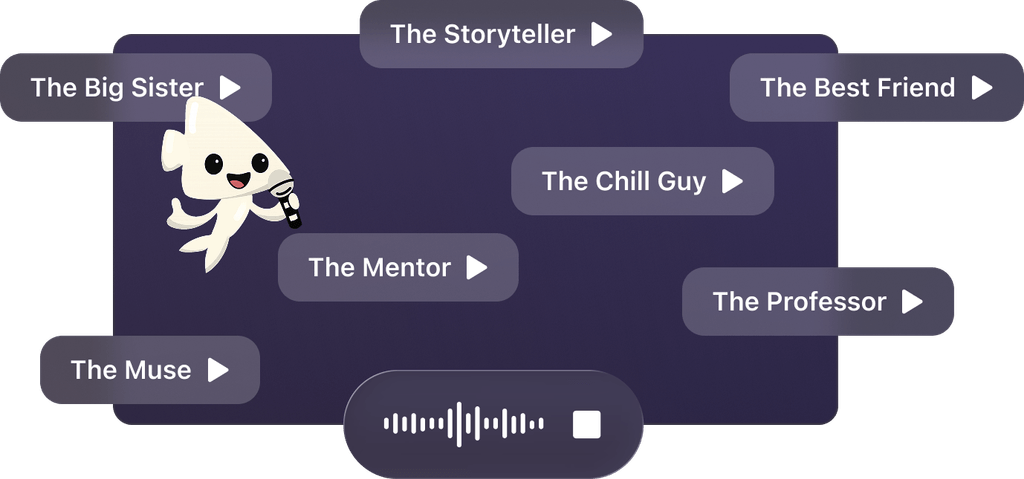
Personalize Mode - Read or listen to Having Nothing, Possessing Everything Summary in 0 Minutes

Ask anything, pick the voice, and co-create insights that truly resonate with you.
From Columbia University alumni built in San Francisco
"Instead of endless scrolling, I just hit play on BeFreed. It saves me so much time."


"I never knew where to start with nonfiction—BeFreed’s book lists turned into podcasts gave me a clear path."

 12
12 117
117"Perfect balance between learning and entertainment. Finished ‘Thinking, Fast and Slow’ on my commute this week."
"Crazy how much I learned while walking the dog. BeFreed = small habits → big gains."
12108"Reading used to feel like a chore. Now it’s just part of my lifestyle."
 25417
25417"Feels effortless compared to reading. I’ve finished 6 books this month already."
"BeFreed turned my guilty doomscrolling into something that feels productive and inspiring."
 964.5K
"BeFreed turned my commute into learning time. 20-min podcasts are perfect for finishing books I never had time for."
"BeFreed replaced my podcast queue. Imagine Spotify for books — that’s it. 🙌"
201 16
16"It is great for me to learn something from the book without reading it."
"The themed book list podcasts help me connect ideas across authors—like a guided audio journey."
37483"Makes me feel smarter every time before going to work"
"Instead of endless scrolling, I just hit play on BeFreed. It saves me so much time."
"I never knew where to start with nonfiction—BeFreed’s book lists turned into podcasts gave me a clear path."
12117"Perfect balance between learning and entertainment. Finished ‘Thinking, Fast and Slow’ on my commute this week."
"Crazy how much I learned while walking the dog. BeFreed = small habits → big gains."
12108"Reading used to feel like a chore. Now it’s just part of my lifestyle."
25417"Feels effortless compared to reading. I’ve finished 6 books this month already."
"BeFreed turned my guilty doomscrolling into something that feels productive and inspiring."
964.5K"BeFreed turned my commute into learning time. 20-min podcasts are perfect for finishing books I never had time for."
"BeFreed replaced my podcast queue. Imagine Spotify for books — that’s it. 🙌"
20116"It is great for me to learn something from the book without reading it."
"The themed book list podcasts help me connect ideas across authors—like a guided audio journey."
37483"Makes me feel smarter every time before going to work"
"Instead of endless scrolling, I just hit play on BeFreed. It saves me so much time."
"I never knew where to start with nonfiction—BeFreed’s book lists turned into podcasts gave me a clear path."
12117"Perfect balance between learning and entertainment. Finished ‘Thinking, Fast and Slow’ on my commute this week."
"Crazy how much I learned while walking the dog. BeFreed = small habits → big gains."
12108"Reading used to feel like a chore. Now it’s just part of my lifestyle."
25417"Feels effortless compared to reading. I’ve finished 6 books this month already."
"BeFreed turned my guilty doomscrolling into something that feels productive and inspiring."
964.5K"BeFreed turned my commute into learning time. 20-min podcasts are perfect for finishing books I never had time for."
"BeFreed replaced my podcast queue. Imagine Spotify for books — that’s it. 🙌"
20116"It is great for me to learn something from the book without reading it."
"The themed book list podcasts help me connect ideas across authors—like a guided audio journey."
37483"Makes me feel smarter every time before going to work"
See More Stories?

Get the Having Nothing, Possessing Everything summary as a free PDF or EPUB. Print it or read offline anytime.


