
Conversational Intelligence by Judith E. Glaser Summary
Unlock the neuroscience of powerful communication with Judith Glaser's "Conversational Intelligence," featured in Harvard Business Review and Wall Street Journal. What separates routine exchanges from transformative dialogues? Discover the C-IQ framework that top leaders use to build trust and drive unprecedented collaboration.
About the author
Judith E. Glaser (1946–2018), bestselling author of Conversational Intelligence: How Great Leaders Build Trust and Get Extraordinary Results, was a pioneering organizational anthropologist and leadership expert. Her work bridges leadership development, neuroscience, and communication, with themes focused on transforming workplace culture through trust-building dialogues.
As founder of Benchmark Communications and co-founder of the Creating WE Institute, Glaser advised Fortune 500 companies like IBM, Pfizer, and Citibank.
She authored seven books, including Creating WE: Change I-Thinking to We-Thinking and The DNA of Leadership, which explore collaborative leadership frameworks. A visiting lecturer at Harvard and Wharton, Glaser’s insights were featured on CBS and NBC.
Her Conversational Intelligence coaching program certified 830 professionals across 32,000 participants. Translated into multiple languages, her books remain foundational texts for executives seeking science-backed strategies to foster innovation and psychological safety in teams.
FAQs About This Book
Conversational Intelligence explores how neuroscience shapes communication, revealing how conversations build trust or trigger defensiveness. Judith Glaser introduces three conversation levels (Transactional, Positional, Transformational) and frameworks to foster collaboration, innovation, and organizational change. The core premise: “Everything happens through conversations”—the quality of dialogues determines relationship health, culture, and leadership success.
Leaders, managers, and professionals seeking to improve workplace communication, resolve conflicts, or drive cultural change. It’s valuable for HR specialists, coaches, and teams aiming to replace distrust with co-creative dialogues using neuroscience-backed strategies.
Yes. The book blends accessible neuroscience with actionable tools, like the Conversational Dashboard, to navigate difficult discussions. It’s praised for transforming leadership approaches and fostering trust in organizations, though some may find its frameworks require deliberate practice to apply effectively.
- Transactional: Exchanging information (asking/telling).
- Positional: Advocating viewpoints (persuading/inquiring).
- Transformational: Co-creating shared understanding (listening/exploring).
Glaser argues Level 3 conversations unlock innovation and trust by aligning brain chemistry toward collaboration.
Leaders can use C-IQ to reframe conversations from “I-centric” to “we-centric,” reducing fear responses and fostering psychological safety. Techniques include reframing conflicts and priming for trust, enabling teams to navigate change and align on
Quick Summary Mode - Read or listen to Conversational Intelligence Summary in 9 Minutes

Break down key ideas from Conversational Intelligence into bite-sized takeaways to understand how innovative teams create, collaborate, and grow.

Flash Card Mode - Top 7 Insights from Conversational Intelligence in a Nutshell

Distill Conversational Intelligence into rapid-fire memory cues that highlight Pixar’s principles of candor, teamwork, and creative resilience.
Fun Mode - Conversational Intelligence Lessons Told Through 25-Min Stories

Experience Conversational Intelligence through vivid storytelling that turns Pixar’s innovation lessons into moments you’ll remember and apply.
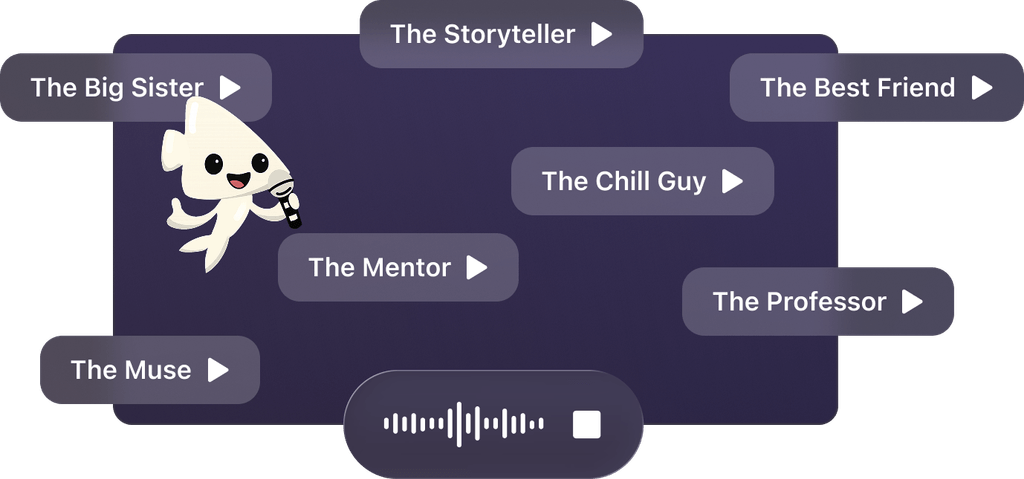
Personalize Mode - Read or listen to Conversational Intelligence Summary in 0 Minutes

Ask anything, pick the voice, and co-create insights that truly resonate with you.
From Columbia University alumni built in San Francisco
"Instead of endless scrolling, I just hit play on BeFreed. It saves me so much time."


"I never knew where to start with nonfiction—BeFreed’s book lists turned into podcasts gave me a clear path."

 12
12 117
117"Perfect balance between learning and entertainment. Finished ‘Thinking, Fast and Slow’ on my commute this week."
"Crazy how much I learned while walking the dog. BeFreed = small habits → big gains."
12108"Reading used to feel like a chore. Now it’s just part of my lifestyle."
 25417
25417"Feels effortless compared to reading. I’ve finished 6 books this month already."
"BeFreed turned my guilty doomscrolling into something that feels productive and inspiring."
 964.5K
"BeFreed turned my commute into learning time. 20-min podcasts are perfect for finishing books I never had time for."
"BeFreed replaced my podcast queue. Imagine Spotify for books — that’s it. 🙌"
201 16
16"It is great for me to learn something from the book without reading it."
"The themed book list podcasts help me connect ideas across authors—like a guided audio journey."
37483"Makes me feel smarter every time before going to work"
"Instead of endless scrolling, I just hit play on BeFreed. It saves me so much time."
"I never knew where to start with nonfiction—BeFreed’s book lists turned into podcasts gave me a clear path."
12117"Perfect balance between learning and entertainment. Finished ‘Thinking, Fast and Slow’ on my commute this week."
"Crazy how much I learned while walking the dog. BeFreed = small habits → big gains."
12108"Reading used to feel like a chore. Now it’s just part of my lifestyle."
25417"Feels effortless compared to reading. I’ve finished 6 books this month already."
"BeFreed turned my guilty doomscrolling into something that feels productive and inspiring."
964.5K"BeFreed turned my commute into learning time. 20-min podcasts are perfect for finishing books I never had time for."
"BeFreed replaced my podcast queue. Imagine Spotify for books — that’s it. 🙌"
20116"It is great for me to learn something from the book without reading it."
"The themed book list podcasts help me connect ideas across authors—like a guided audio journey."
37483"Makes me feel smarter every time before going to work"
"Instead of endless scrolling, I just hit play on BeFreed. It saves me so much time."
"I never knew where to start with nonfiction—BeFreed’s book lists turned into podcasts gave me a clear path."
12117"Perfect balance between learning and entertainment. Finished ‘Thinking, Fast and Slow’ on my commute this week."
"Crazy how much I learned while walking the dog. BeFreed = small habits → big gains."
12108"Reading used to feel like a chore. Now it’s just part of my lifestyle."
25417"Feels effortless compared to reading. I’ve finished 6 books this month already."
"BeFreed turned my guilty doomscrolling into something that feels productive and inspiring."
964.5K"BeFreed turned my commute into learning time. 20-min podcasts are perfect for finishing books I never had time for."
"BeFreed replaced my podcast queue. Imagine Spotify for books — that’s it. 🙌"
20116"It is great for me to learn something from the book without reading it."
"The themed book list podcasts help me connect ideas across authors—like a guided audio journey."
37483"Makes me feel smarter every time before going to work"
See More Stories?

Get the Conversational Intelligence summary as a free PDF or EPUB. Print it or read offline anytime.


