
Bedtime Biography: Long Walk to Freedom by Nelson Mandela Summary
Nelson Mandela's epic autobiography chronicles his fight against apartheid, 27 years in prison, and triumphant rise to presidency. Praised by Obama as transformative reading, this global bestseller reveals how one man's forgiveness reshaped a nation and inspired movements worldwide.
About the author
Nelson Rolihlahla Mandela, author of the seminal autobiography Long Walk to Freedom, was a Nobel Peace Prize laureate, anti-apartheid revolutionary, and South Africa’s first democratically elected Black president.
His memoir, a cornerstone of political and historical literature, intertwines themes of resilience, racial justice, and reconciliation—rooted in his 27-year imprisonment and leadership in dismantling apartheid. Mandela’s expertise in transformative leadership stems from his role as head of the African National Congress and his pivotal negotiations with President F.W. de Klerk, which earned them the 1993 Nobel Peace Prize.
A global icon of social justice, he later founded the Nelson Mandela Foundation to combat poverty and HIV/AIDS. Long Walk to Freedom has been translated into over 50 languages and inspired an Oscar-nominated film adaptation.
Mandela, revered as South Africa’s "Father of the Nation," remains a timeless symbol of courage and unity in the fight for human dignity.
FAQs About This Book
Bedtime Biography: Long Walk to Freedom chronicles Nelson Mandela’s journey from rural South Africa to the presidency, detailing his 27-year imprisonment, leadership in dismantling apartheid, and advocacy for racial reconciliation. The memoir highlights his moral evolution, strategic use of sabotage through the ANC’s militant wing (MK), and unwavering commitment to forgiveness amid systemic oppression.
This book is essential for readers interested in anti-apartheid history, leadership resilience, and social justice movements. Students of political science, activists, and biography enthusiasts will gain insights into Mandela’s ethical dilemmas, including his controversial stance on using violence for political change.
Yes—it offers a raw, firsthand account of Mandela’s sacrifices and the psychological toll of imprisonment, paired with reflections on colonized mindsets and reconciliation. Its blend of personal vulnerability and geopolitical strategy makes it a timeless resource for understanding systemic oppression.
Key themes include:
- Resilience: Mandela’s unbroken spirit during 27 years in prison.
- Ethical militancy: Justifying sabotage while avoiding civilian harm.
- Forgiveness: Prioritizing reconciliation over retaliation post-apartheid.
- Colonized identity: How apartheid warped self-perception across racial groups.
Mandela argues that nonviolent resistance failed against apartheid’s brutality, prompting him to co-found MK for targeted sabotage (e.g., bombing infrastructure). He emphasizes avoiding bloodshed while forcing global attention on South Africa’s oppression.
The phrase embodies Mandela’s lifelong fight for freedom—from his tribal upbringing to political awakening, imprisonment, and eventual presidency. It also reflects South Africa’s collective struggle toward multiracial democracy.
- The 1948 National Party’s apartheid laws.
- The 1960 Sharpeville Massacre and subsequent ANC ban.
- The 1964 Rivonia Trial sentencing Mandela to life.
- The 1990 collapse of apartheid and Mandela’s presidency.
Early chapters depict him as a fiery activist, while imprisonment sharpens his strategic patience and ability to negotiate with apartheid leaders. His post-release focus on unity over vengeance cements his legacy as a pragmatic visionary.
Mandela acknowledges critiques of his MK leadership and initial reluctance to renounce violence, contrasting his approach with Gandhi’s strict nonviolence. He also scrutinizes his personal sacrifices, including strained family relationships during his activism.
Robben Island isolation taught him self-discipline, the power of education (studying law clandestinely), and the necessity of compromise. He credits prison debates with fellow activists for refining his vision of inclusive democracy.
- Lead by example: Mandela’s humility in sharing prison chores.
- Strategic patience: Waiting decades for apartheid’s economic collapse.
- Inclusive dialogue: Engaging opponents like de Klerk despite distrust.
Unlike Martin Luther King Jr.’s strictly nonviolent narratives, Mandela’s account defends limited militancy as a last resort. Its focus on institutional negotiation (vs. Malcolm X’s separatism) offers a unique blueprint for systemic change.
Quick Summary Mode - Read or listen to Bedtime Biography: Long Walk to Freedom Summary in 9 Minutes

Break down key ideas from Bedtime Biography: Long Walk to Freedom into bite-sized takeaways to understand how innovative teams create, collaborate, and grow.

Flash Card Mode - Top 6 Insights from Bedtime Biography: Long Walk to Freedom in a Nutshell

Distill Bedtime Biography: Long Walk to Freedom into rapid-fire memory cues that highlight Pixar’s principles of candor, teamwork, and creative resilience.

Fun Mode - Bedtime Biography: Long Walk to Freedom Lessons Told Through 23-Min Stories

Experience Bedtime Biography: Long Walk to Freedom through vivid storytelling that turns Pixar’s innovation lessons into moments you’ll remember and apply.
Personalize Mode - Read or listen to Bedtime Biography: Long Walk to Freedom Summary in 0 Minutes

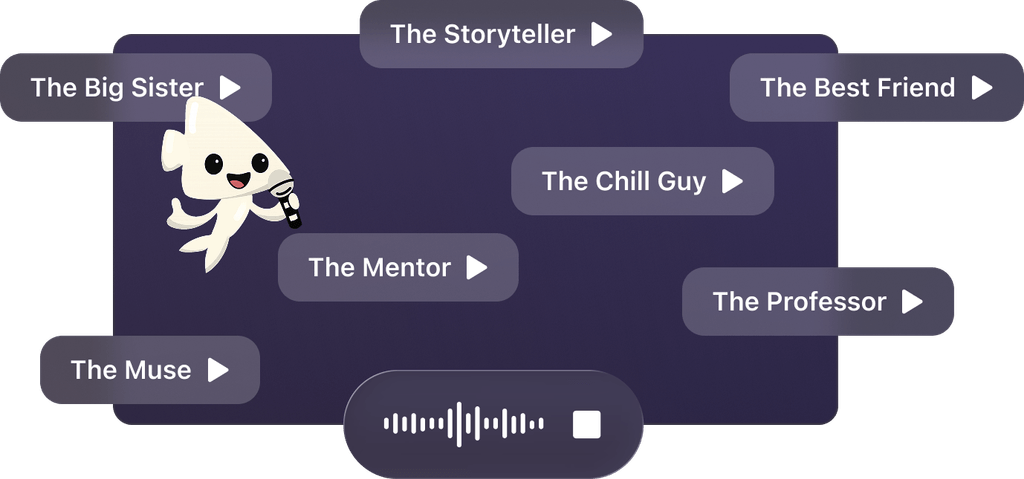
Ask anything, pick the voice, and co-create insights that truly resonate with you.
From Columbia University alumni built in San Francisco
"Instead of endless scrolling, I just hit play on BeFreed. It saves me so much time."


"I never knew where to start with nonfiction—BeFreed’s book lists turned into podcasts gave me a clear path."

 12
12 117
117"Perfect balance between learning and entertainment. Finished ‘Thinking, Fast and Slow’ on my commute this week."
"Crazy how much I learned while walking the dog. BeFreed = small habits → big gains."
12108"Reading used to feel like a chore. Now it’s just part of my lifestyle."
 25417
25417"Feels effortless compared to reading. I’ve finished 6 books this month already."
"BeFreed turned my guilty doomscrolling into something that feels productive and inspiring."
 964.5K
"BeFreed turned my commute into learning time. 20-min podcasts are perfect for finishing books I never had time for."
"BeFreed replaced my podcast queue. Imagine Spotify for books — that’s it. 🙌"
201 16
16"It is great for me to learn something from the book without reading it."
"The themed book list podcasts help me connect ideas across authors—like a guided audio journey."
37483"Makes me feel smarter every time before going to work"
"Instead of endless scrolling, I just hit play on BeFreed. It saves me so much time."
"I never knew where to start with nonfiction—BeFreed’s book lists turned into podcasts gave me a clear path."
12117"Perfect balance between learning and entertainment. Finished ‘Thinking, Fast and Slow’ on my commute this week."
"Crazy how much I learned while walking the dog. BeFreed = small habits → big gains."
12108"Reading used to feel like a chore. Now it’s just part of my lifestyle."
25417"Feels effortless compared to reading. I’ve finished 6 books this month already."
"BeFreed turned my guilty doomscrolling into something that feels productive and inspiring."
964.5K"BeFreed turned my commute into learning time. 20-min podcasts are perfect for finishing books I never had time for."
"BeFreed replaced my podcast queue. Imagine Spotify for books — that’s it. 🙌"
20116"It is great for me to learn something from the book without reading it."
"The themed book list podcasts help me connect ideas across authors—like a guided audio journey."
37483"Makes me feel smarter every time before going to work"
"Instead of endless scrolling, I just hit play on BeFreed. It saves me so much time."
"I never knew where to start with nonfiction—BeFreed’s book lists turned into podcasts gave me a clear path."
12117"Perfect balance between learning and entertainment. Finished ‘Thinking, Fast and Slow’ on my commute this week."
"Crazy how much I learned while walking the dog. BeFreed = small habits → big gains."
12108"Reading used to feel like a chore. Now it’s just part of my lifestyle."
25417"Feels effortless compared to reading. I’ve finished 6 books this month already."
"BeFreed turned my guilty doomscrolling into something that feels productive and inspiring."
964.5K"BeFreed turned my commute into learning time. 20-min podcasts are perfect for finishing books I never had time for."
"BeFreed replaced my podcast queue. Imagine Spotify for books — that’s it. 🙌"
20116"It is great for me to learn something from the book without reading it."
"The themed book list podcasts help me connect ideas across authors—like a guided audio journey."
37483"Makes me feel smarter every time before going to work"
See More Stories?

Get the Bedtime Biography: Long Walk to Freedom summary as a free PDF or EPUB. Print it or read offline anytime.


